
A Filipino Tradition of Souling, Rice Cakes, and Midnight Prayer
🗝️ I. Etymology & Seasonal Setting

Seasonal Context
Held during the cooling winds of late October and early November, often from October 27 to November 2, when the veil is believed to thin and spirits return. It coincides with Undas, the Filipino observance of All Saints’ and All Souls’ Days.
“Ang kaluluwa’y naglalakbay, naghahanap ng dasal.” (The soul wanders, seeking prayer.)
📜 II. Historical Origins & Cultural Significance
Earliest documentation appears in Fray Diego Bergaño’s 1732 Kapampangan dictionary, referencing pamidáun métay—offerings to the dead.
Pangangaluluwa predates Western Halloween, rooted in animist beliefs and Catholic rituals introduced during Spanish colonization.
Participants dress as lost souls in purgatory, singing laments and asking for alms—symbolic of the soul’s hunger for remembrance.
If ignored, they may play tricks, echoing the dual nature of spirits: benevolent and mischievous.
“The spirit is coming / Opposite the window / Small bells are being rung / Waking up those with life…” — Traditional chant
🌿 III. Flora, Fauna & Folkloric Associations
- Banana leaves wrap suman, symbolizing protection and offering.
- Taro, sweet potato, and purple yam are harvested and cooked—root crops tied to ancestral sustenance.
- Chickens, often stolen by mischievous spirits, appear in tales of ignored soulers.
- Bats and owls are seen as watchers of the veil.
Botanical note: The stickiness of kakanin is believed to help souls “cling” to the living world long enough to be remembered.
📖 IV. Lorekeeper’s Tale
In Quezon province, it’s said that a wandering soul named Luwalhati once sang outside a home for three nights.
Ignored, she took the family’s laundry and left a trail of feathers.
The grandmother, remembering her own mother’s voice, lit a candle and whispered a prayer—and the feathers vanished.
“Kaluluwa, tanggapin mo ang aming dasal.” (Soul, receive our prayer.)
📍V. Coordinates
- 14.6667° N latitude and 121.5000° E longitude. 🌏
- Region: Calabarzon, Luzon Island, Philippines
These coordinates place Quezon Province along the eastern coast of Luzon, facing the Philippine Sea. It’s a region rich in rural traditions—including Pangangaluluwa, which is featured above. The province’s geography, with its mountains, forests, and coastal towns, adds depth to the spiritual and folkloric practices observed during Allhallowtide.
🪶 VI. Modern Echoes & Cultural Continuity
Though fading in urban areas, Pangangaluluwa is being revived in towns like Sariaya, Quezon, often as part of local tourism and cultural festivals.
Children now wear Western-style costumes, but the songs and rice cakes remain. In some villages, elders still gather to chant and cook, keeping the tradition alive.
“We sing not to scare, but to remember.” — Elder, Nueva Ecija
🌾 VII. Closing Gesture: Ritual in Practice
Tonight, prepare a small plate of kakanin and place it near your window. Light a candle, and sing softly “Kaluluwa, kaluluwa, kami po ay nangangaluwa Then, offer a prayer for a forgotten soul—perhaps one who once sang outside your door.
🐦⬛ Gifting
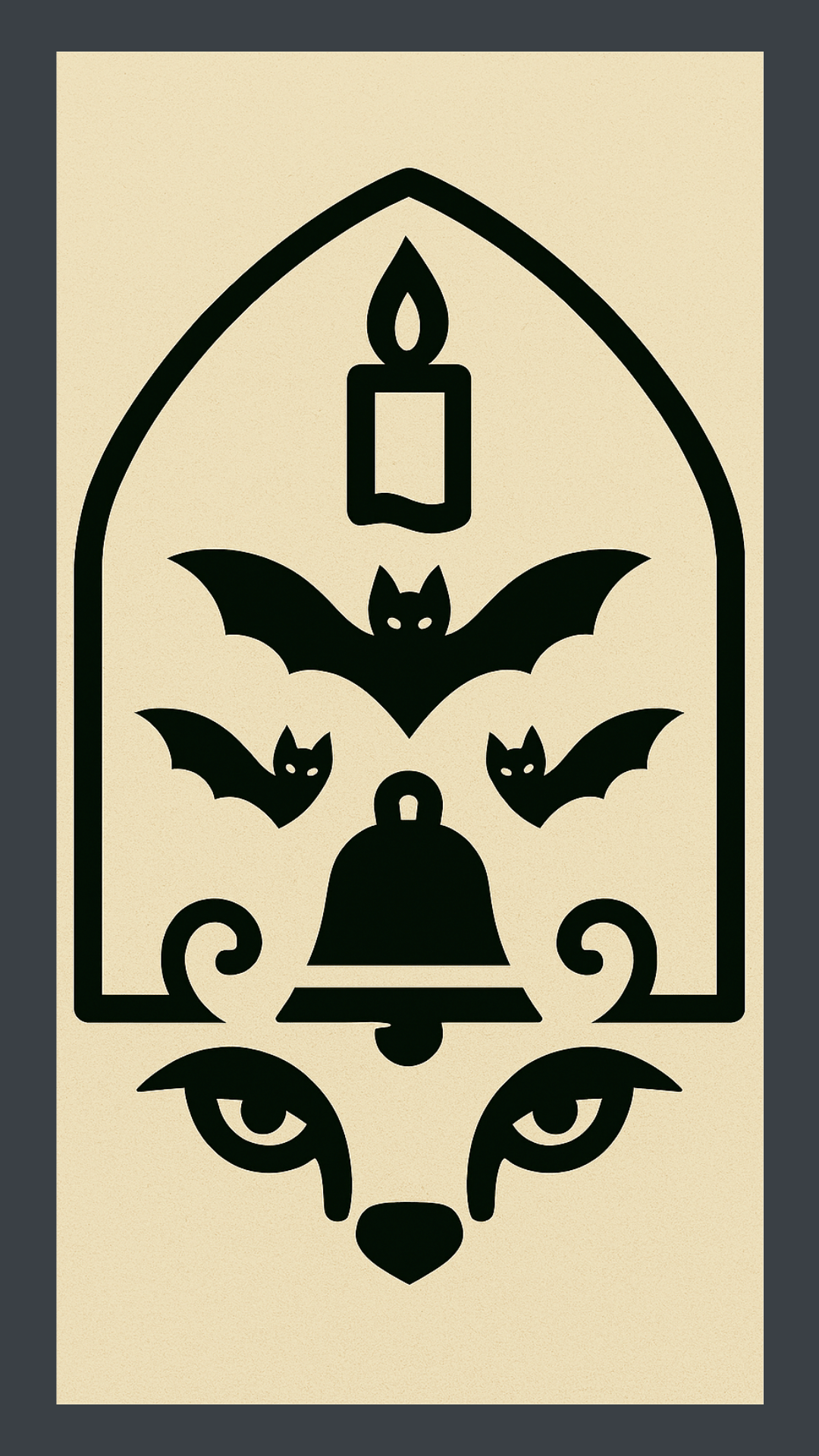
Lighting the path for wandering souls
A lockscreen for remembrance—
carried close as the veil thins.

Gifted for presence. Offered in quiet wonder.

With Lanterns Lit
Wyrdwood Hollow




You must be logged in to post a comment.