Naturalists Register Weekly Journal Entries
A gentle meander through the garden today reveals nature’s quiet wisdom. Join me as we observe the subtle rhythms, seasonal shifts, & botanical curiosities that remind us to slow down & notice the extraordinary in the ordinary.
field Notes
Weekly observations
Natural Indicators
Bird Activity
In November in Everton Hills, Brisbane, the warm weather brings a peak in bird activity, with resident species in the midst of their breeding season and migratory birds continuing to nest and raise young. The area’s parks and gardens, particularly Teralba Park, are excellent for observing this vibrant wildlife.
Peak breeding season: November is a busy time for breeding, with many resident and migratory birds actively raising young.
Fledglings: Expect to see young birds, including koels hatched in other species’ nests, leaving their nests.
Flying-fox pups: Bat pups born in October are carried by their mothers while feeding at night.
Notable Species This Week
Resident Birds
Australian Magpie
As their breeding season runs from July to December, magpies are highly protective of their nests and young. Swooping is still a possibility in November.
Noisy Miner
These territorial honeyeaters are still engaged in breeding and raising young.
Migratory residents
Channel-billed Cuckoo
The largest parasitic cuckoo in the world, these distinctive birds are still present in Brisbane during November.
Ground-dwelling birds
Masked Lapwing (Plover)
These ground-nesting birds may still be protective of their nests and young as their breeding season continues.
Bats & other nocturnal fauna
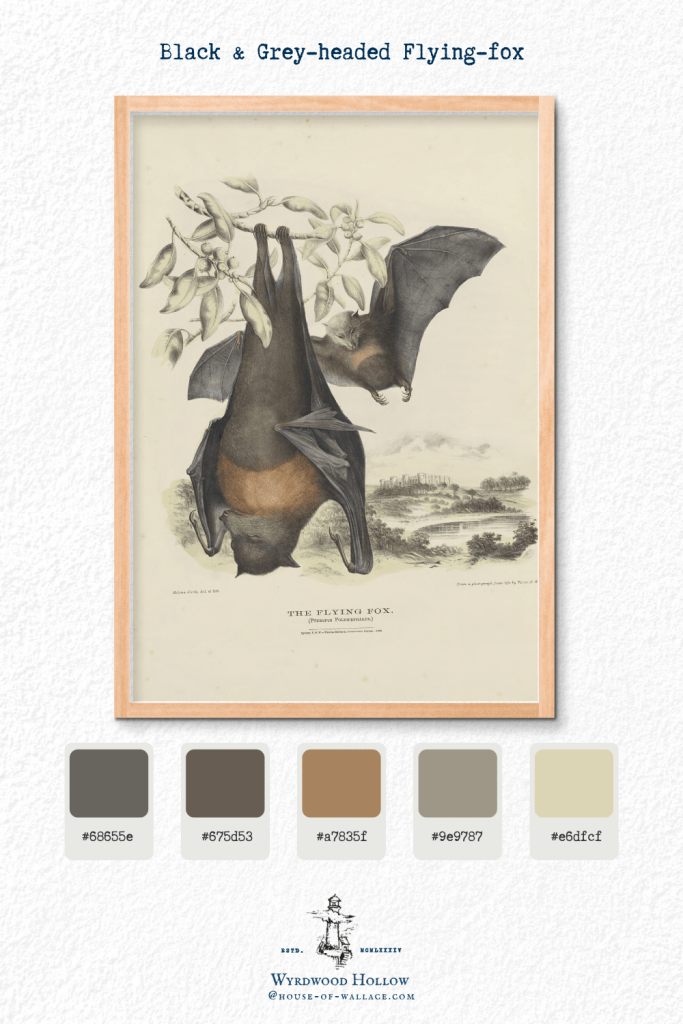
Black and Grey-headed Flying-fox
These large fruit bats are present in Brisbane year-round and will be active at night, flying from their roosts to feed on nectar and fruit.
Grey-headed flying-foxpups born in October are still dependent on their mothers.
Insect Presence
Common Insects & Their Activity
In November in Everton Hills, Brisbane, the warm, humid weather of summer brings a peak in insect activity. Resident species are in the middle of their breeding season, and migratory species are active in the area. Abundant rainfall, common at this time of year, can also trigger population blooms and swarming events.
Peak breeding season: November is a key period for breeding, with many resident and migratory insects and arthropods actively multiplying.
Nesting and egg laying: Wasps, bees, and spiders are busy mating and laying eggs.
Increased pest breeding: Mosquitoes, cockroaches, and termites multiply rapidly.
Termite swarming: Spring rains and warmer weather often trigger termite swarming, as they leave their nests to establish new colonies.
Notable Species This Week
beetles
Eucalyptus Leaf Beetles (Paropsis spp.)
These pests can cause damage to eucalypt trees by feeding on their leaves.
Eucalypt foliage is a food source for Christmas beetles, leaf beetles, and gum leaf skeletonizers, while flowers provide nectar for bees and flying-foxes.
ants
Green-head Ant (Rhytidoponera metallica)
A venomous resident species that is very active in the warm weather, foraging on the ground for insects and other food.
bees & wasps
Native Bees
Species such as the Leafcutter bee(genus Megachile) and Stingless bee (Tetragonulaspp.) are very active, pollinating flowers and breeding.
other bugs
Bronze Orange Bug (Musgraveia sulciventris)
This “stink bug” feeds on the sap of citrus trees.
Plant Responses
In November in Everton Hills, Brisbane, the warm and humid conditions of summer continue to drive strong plant growth and flowering, and plants respond with vigorous growth, and many are in full bloom or producing fruit. This is also a peak time for many insects, with many feeding on the abundant nectar and foliage.
Notable Species This Week
Wild & suburban native plants
Trees & large shrubs
Tea Tree (Leptospermum spp.)
Some varieties, like ‘Pink Cascade’ (Leptospermum scoparium), flower in spring and autumn, providing masses of blooms for nectar feeders.
Eucalypts (Eucalyptus spp.)
Eucalypts will continue to experience strong vegetative growth and will be flowering or developing seeds.
Groundcovers & smaller plants
Native Violet (Viola banksii)
This native groundcover thrives in moist, shady areas and will be producing small purple and white flowers throughout the summer.
Suburban garden plants & seasonal responses
Ornamental plants
Frangipani (Plumeria spp.)
This popular garden tree blooms during the warmer months, from November to April, and will be in full bloom in November.
Edible plants
Month Long Home Garden Planting
- Tomatoes
- Capsicums
- Eggplants
- Sweet corn
- Cucumbers
- Pumpkin
- Zucchini
- Some heat-tolerant lettuce varieties can be planted.
November ideas for begginer gardeners
Basil (Ocimum basilicum)
Thrives in the warm weather and can be grown easily in January.
Chillies (Capsicum spp.)
Can be sown during January. It will be actively growing & fruiting during the summer heat.
Lemongrass (Cymbopogon spp.)
Easily sown & grows vigorously during the humid summer.
Mangoes (Mangifera indica)
Flowering occurs between September & November in subtropical regions.
Botanical Study
plant Foraging
Each weekly plant can reasonably be expected to forage in Everton Hills, Brisbane, QLD in January.
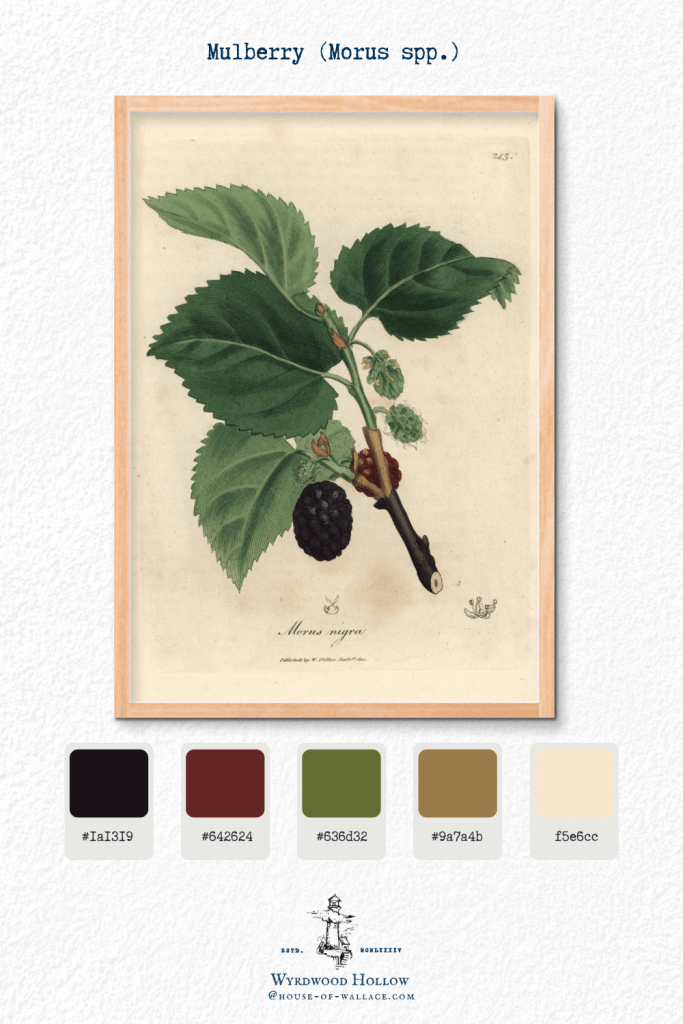
Mulberry (Morus spp.)
foraging Species This Week
Mulberry (Morus spp.)
Plant Name: Mulberry (black mulberry, white mulberry, red mulberry)
Latin Name: Morus spp. Morus(commonly Morus alba, Morus rubra, M. nigra cultivars and hybrids)
Growth Stage
Fruit ripening stage begins in November for many cultivars; warm sheltered trees will have ripe clusters by late spring to early summer.
Notable Features
Extremely common as hedging and street planting; fruits are favoured by birds and often found in suburban hedges.
Fresh eating, jams, pies, syrups and drying; multipurpose garden fruit.
Identification key
- Deciduous tree with alternate leaves that may be lobed
- Fruit are elongated aggregate drupes resembling blackberries
- Changes from green → red → dark purple/black when ripe.
Urban Foraging
- Inspect older backyards
- Fence lines
- Creek corridors
- Vacant lots
- Look for staining on footpaths or furniture beneath trees from fallen fruit.
Sustainability
- Harvest moderate amounts
- Avoid stripping the entire canopy
- Leave plenty for birds and local wildlife
Harvesting notes
- Pick fruit when fully coloured, soft and when they come away easily
- Use a tray or sheet under low branches to collect falling ripe berries.
Fruiting
- Ripe season is generally late spring → summer
- In November, expect many trees to be producing ripe or near‑ripe berries.
Flavour
- Sweet and juicy when fully ripe
- Some varieties are mildly tart
Smell
- Pleasant sweet berry aroma when ripe
Optimal Sunlight
- Full sun yields the best crops
Check for safety
- Avoid unripe green berries (they are astringent)
- Avoid fruit from trees treated with chemicals
- Wash before eating
Note
- Fallen fruit stains clothing and surfaces
- Ripe fruit attracts many birds and insects
Processing
- Ideal fresh, or made into jams, pies, syrups and cordials
- Freezes well
Species
- Mulberries are introduced and commonly naturalised.
Where to look for them
- Older properties
- Vacant lots
- Creeklines
- Verges
Responsible Harvesting
- Take no more than ~30–40% of accessible ripe fruit from a single tree
- Harvest only fully dark‑coloured, soft berries.
Field Sketch
Weather & Observations
Weekly Weather Field Notes
Weather Notes
Weekly Weather Tracker
| Date | Clouds | Wind | Pressure | Sunrise | Sunset | Moonrise | Daylight | Emotional Weather |
|---|---|---|---|---|---|---|---|---|
| 26 Oct | High cirrus | Gentle southerly | 1012 hPa | 6:12 AM | 7:23 PM | 8:45 PM | 13h 11m | Luminous, porous |
Weekly Summary
This week began with warm winds and ended in soft drizzle. Cloud formations echoed internal shifts.
Note: Climatological averages provide typical weather patterns based on historical data, offering reliable general guidance rather than exact forecasts. Cloud types and wind directions can be described broadly, reflecting common occurrences rather than daily specifics. Barometric pressure averages indicate general weather tendencies but not precise changes. Precipitation values represent average amounts and frequency, acknowledging actual rainfall can vary significantly from these norms. This approach is ideal for understanding usual conditions over time, not for detailed short-term predictions.
Field sketch




Leave a Reply